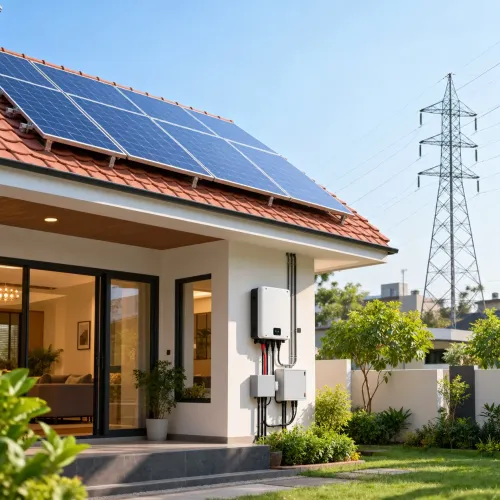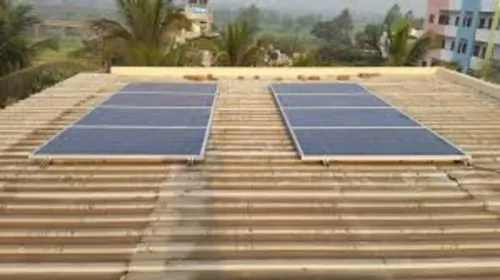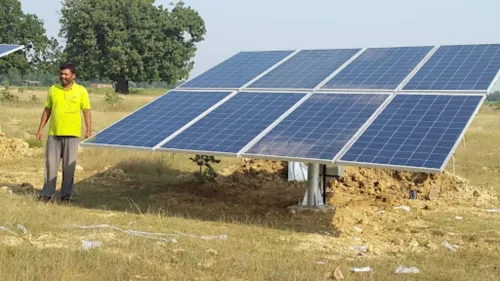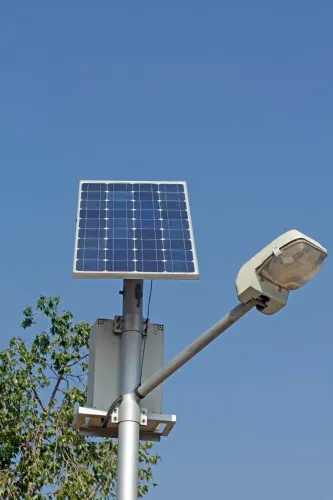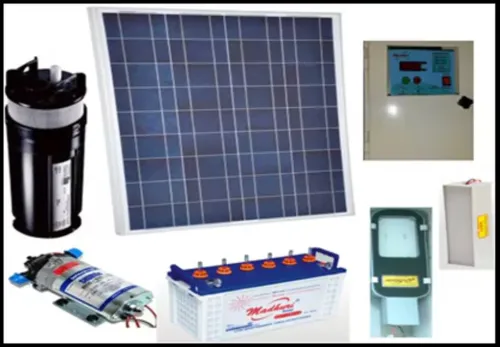
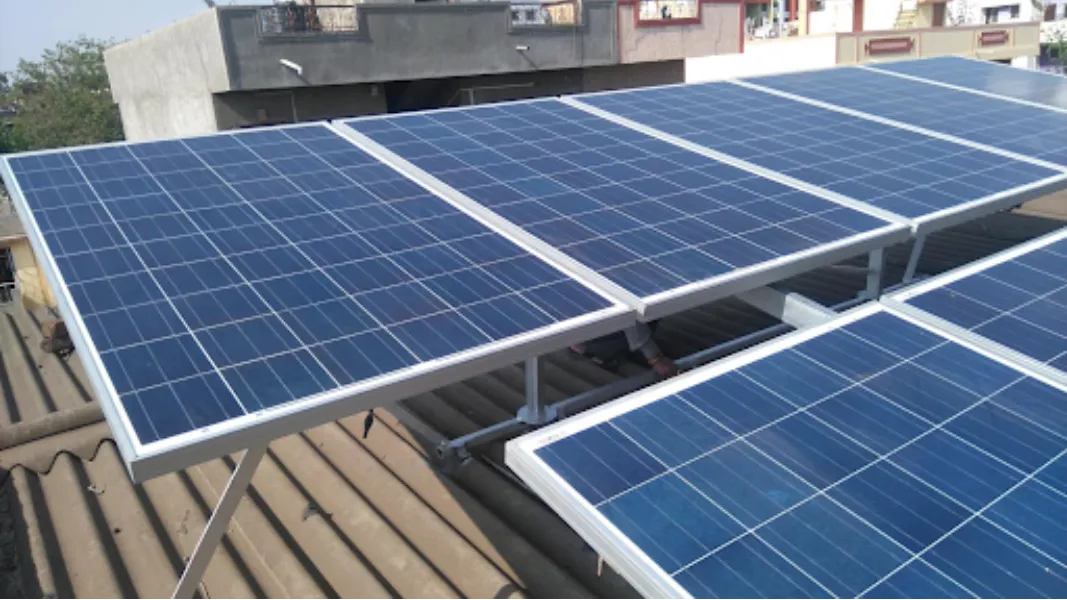
People researching Solar Panel Price often expect a single figure that can be applied to every project. In practice, solar quotations vary because a complete installation includes far more than photovoltaic modules.
System capacity, module technology, inverter selection, mounting requirements, electrical work, site conditions, storage, and installation scope can all influence the final amount.
Understanding these variables makes quotation comparison much more useful.
System Capacity Is a Major Cost Factor
Larger systems require more modules and supporting equipment.
However, capacity should be selected according to electricity consumption and available installation space rather than simply choosing the largest system within the budget.
A residential property, school, shop, office, agricultural facility, and factory can each have very different energy requirements.
Module Specifications Affect Pricing
Solar modules are available with different technologies, efficiencies, ratings, product warranties, and performance characteristics.
Higher module efficiency can be useful where roof area is limited because more generating capacity may be accommodated within the available space.
Customers should compare technical specifications rather than assuming every panel with a similar physical appearance is equivalent.
The Inverter Is Another Important Component
The inverter converts electricity generated by the panels into a form suitable for use within the electrical system.
Its capacity, technology, monitoring features, compatibility, and warranty can influence overall system pricing.
A quotation that appears inexpensive may use a different inverter specification from another proposal, so equipment details should be reviewed carefully.
Mounting Requirements Vary by Property
Solar modules require an appropriate mounting structure.
Cost can vary according to roof type, installation height, structural design, material specifications, site accessibility, and the complexity of the layout.
Residential concrete terraces may have different requirements from industrial roofs or specialized structures.
Electrical Safety Equipment Is Part of the Project
A solar installation also requires cables, connectors, earthing, protection devices, distribution arrangements, and other electrical components.
These items may not be as visually prominent as the modules, but they play an important role in safe system operation.
When comparing prices, determine whether these components are clearly included in the proposal.
Battery Storage Changes the Cost Significantly
A standard grid-connected system and a battery-supported solar system should not be compared as though they are identical.
Storage adds equipment and changes system architecture.
Customers who need backup should specify:
- Which loads require backup
- Desired backup duration
- Typical outage conditions
- Expected battery usage
This allows storage to be designed around practical requirements.
Installation Conditions Can Change Labour Requirements
Easy-access roofs are generally simpler to work on than sites requiring special lifting, long cable routes, complex mounting, or additional safety arrangements.
This is one reason quotations prepared without a proper site assessment may later require changes.
Compare Scope Before Comparing Totals
When evaluating Solar Panel Price, compare proposals line by line.
Check whether each includes:
- Modules
- Inverter
- Mounting structure
- Cabling
- Protection equipment
- Earthing
- Installation
- Testing
- Monitoring
- Documentation support where applicable
- Warranty information
Madhuri Solar works across multiple renewable energy applications, including rooftop and residential solar solutions. Customers evaluating a proposal should focus on system suitability and complete project scope rather than selecting solely on the lowest quoted amount.
A meaningful price comparison is one where the equipment, capacity, installation scope, warranties, and expected performance assumptions are genuinely comparable.
Keywords