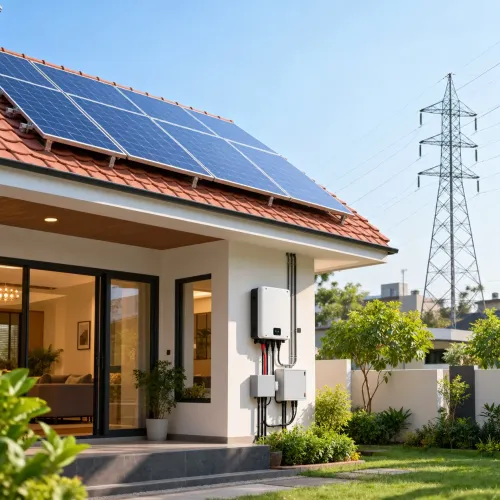
Choosing a Solar System for Home becomes easier when the decision starts with electricity requirements rather than panel count. Two houses of similar size can require very different systems because the occupants, appliances, usage schedules, roof conditions, and backup expectations may be completely different.
A careful evaluation helps prevent both undersizing and unnecessary oversizing.
Identify Your Main Objective
Homeowners install solar for different reasons.
Some want to reduce electricity purchased from the grid. Others need backup during outages. Some are constructing a new property and want renewable energy incorporated from the beginning.
Your objective influences the system configuration.
Grid-Connected System
A grid-connected system is designed to work alongside the electricity supply. It is often considered when the primary objective is reducing grid electricity consumption.
Off-Grid System
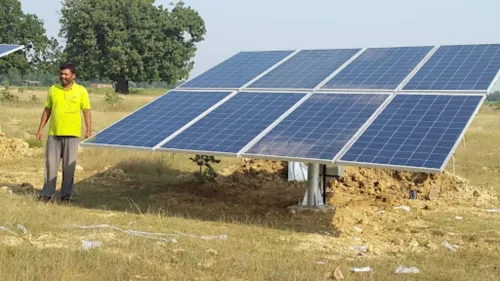
An off-grid system is designed for applications where independent electricity generation is required. Batteries are normally an important component.
Hybrid System
A hybrid arrangement combines solar generation with energy storage and may integrate grid electricity or another source depending on the design.
Calculate Realistic Electricity Demand
Look at recent electricity bills and identify average consumption.
Then consider major appliances such as:
- Air conditioners
- Refrigerators
- Water pumps
- Geysers
- Washing machines
- Kitchen appliances
- Computers
- Entertainment systems
- Electric vehicle chargers
The important question is not simply what appliances exist, but when and how frequently they operate.
Assess Available Installation Space
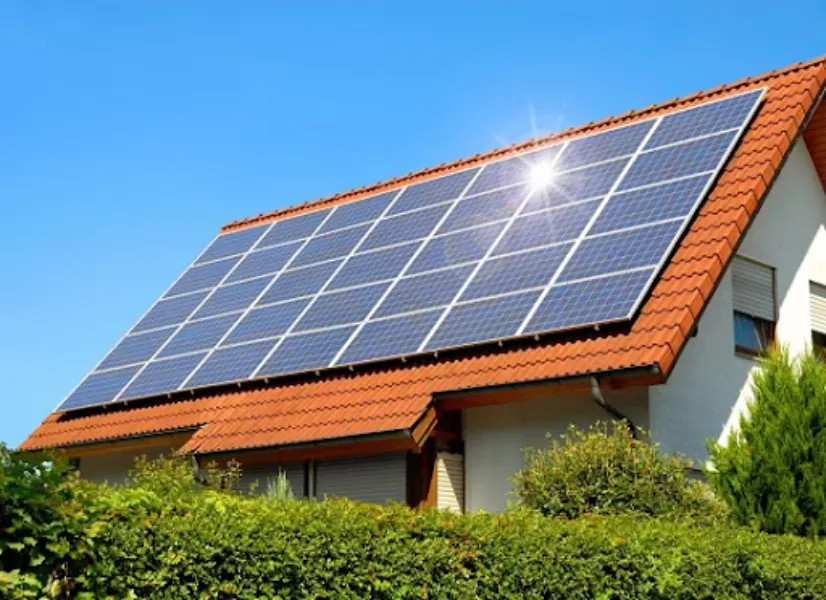
The proposed system capacity must also be compatible with the available roof.
An installer should identify usable areas after accounting for shading, setbacks, access requirements, water tanks, utility structures, and other obstructions.
Trying to fill every available corner with panels is not necessarily good design. Maintenance access and future roof requirements should remain practical.
Decide Whether Backup Is Necessary
Battery storage can significantly change system configuration and cost.
Ask whether backup is needed for the entire house or only essential loads such as lights, fans, internet equipment, selected appliances, or security systems.
Defining essential loads can make backup planning more practical.
Compare Equipment Specifications Carefully
Quotations should be compared on more than total system capacity.
Review the proposed:
- Module specifications
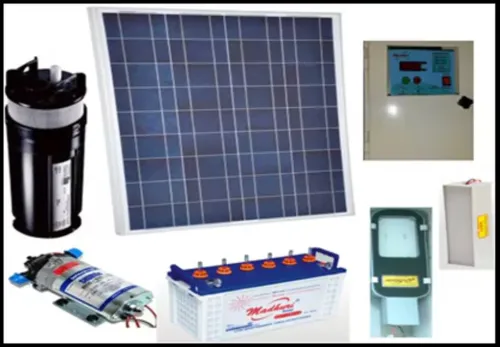
- Inverter type
- Mounting structure
- Cables
- Electrical protection
- Earthing arrangements
- Monitoring capabilities
- Warranty terms
- Installation scope
Two systems described using the same capacity can differ considerably in component selection and project scope.
Avoid Selecting Capacity Only by Budget
Budget matters, but buying the largest system within a fixed amount is not always the best strategy.
A smaller, properly engineered system may be more appropriate than a larger installation with unsuitable equipment or poor placement.
Similarly, an undersized system chosen only to reduce initial cost may fail to meet the homeowner's actual objective.
Evaluate the Complete Proposal
A useful proposal should explain why a particular system has been recommended.
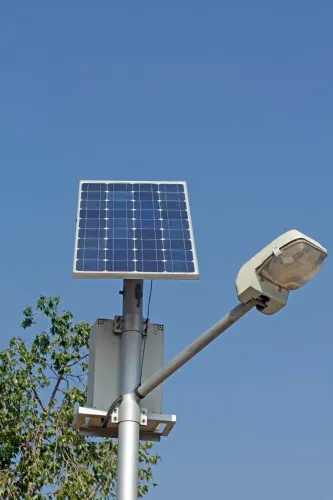
Madhuri Solar provides solutions across rooftop solar, off-grid systems, home lighting, storage, and other renewable energy applications. Homeowners comparing providers should still evaluate every recommendation against their own consumption and site conditions.
The right Solar System for Home is ultimately the one designed around realistic energy demand, available installation space, desired backup, equipment quality, electrical safety, and long-term household requirements.
Keywords